Car Diagnostic Tool: The Complete UK Buyer's Guide for 2026
Everything you need to know about choosing, using, and getting the most from a car diagnostic tool — whether you're a professional mechanic or a weekend DIY enthusiast tackling fault codes in your driveway.
What Is a Car Diagnostic Tool and Why Do You Need One?
A car diagnostic tool is a handheld or software-based device that communicates with your vehicle's onboard computer to read fault codes, live sensor data, and system status. It plugs into the OBD2 port — that 16-pin connector usually tucked under your dashboard — and translates what your car's ECU is thinking into something you can actually act on.
Honestly, I wish I'd bought one years ago. I spent a small fortune at garages getting "diagnostic checks" that took them about 90 seconds with the exact same kit I could've owned myself. We're talking £40-£50 per scan at most independent workshops across Manchester, and that adds up proper fast if you've got an older motor throwing intermittent warning lights.
The real value? Speed. Instead of guessing whether that engine management light means a loose petrol cap or a dying catalytic converter, you get a specific fault code — P0420, P0171, whatever it might be — and you can make an informed decision about what to do next.
Key fact: The average UK motorist spends £318 per year on unplanned car repairs (2025 RAC data). A basic OBD2 reader costs between £25 and £150, potentially saving hundreds by catching issues early or avoiding unnecessary garage visits.
So what's the catch? Well, actually, there isn't much of one. The technology has become incredibly accessible since the OBD2 standard became mandatory for all petrol cars sold in the EU from 2001 (diesel from 2004). If your car was built after those dates, a diagnostic scanner will work with it.
Types of Vehicle Diagnostic Scanners Explained
Not all fault code readers are created equal. The market splits into roughly four categories, and picking the wrong one is a proper waste of money.
Basic Code Readers (£20–£60)
These read and clear engine fault codes. That's it. No live data, no advanced systems. Decent for the occasional DIYer who just wants to know why the engine light's on. I've seen lads on Reddit forums swear by these for quick checks — and honestly, for a first car where you're just learning to do oil changes and brake pads, they're spot on.
Mid-Range OBD2 Scanners (£60–£250)
This is where things get interesting. Live data streaming, freeze frame data, readiness monitors, and often ABS/airbag coverage. If you're doing your own maintenance regularly, this tier gives you proper bang for your buck.
Professional Diagnostic Platforms (£250–£3,000+)
Full system coverage including transmission, body control modules, TPMS programming, key coding, and bi-directional controls. These are what your local garage uses. Brands like Autel, Launch, and Snap-on dominate here.
Circuit Testers and Electrical Diagnostic Tools
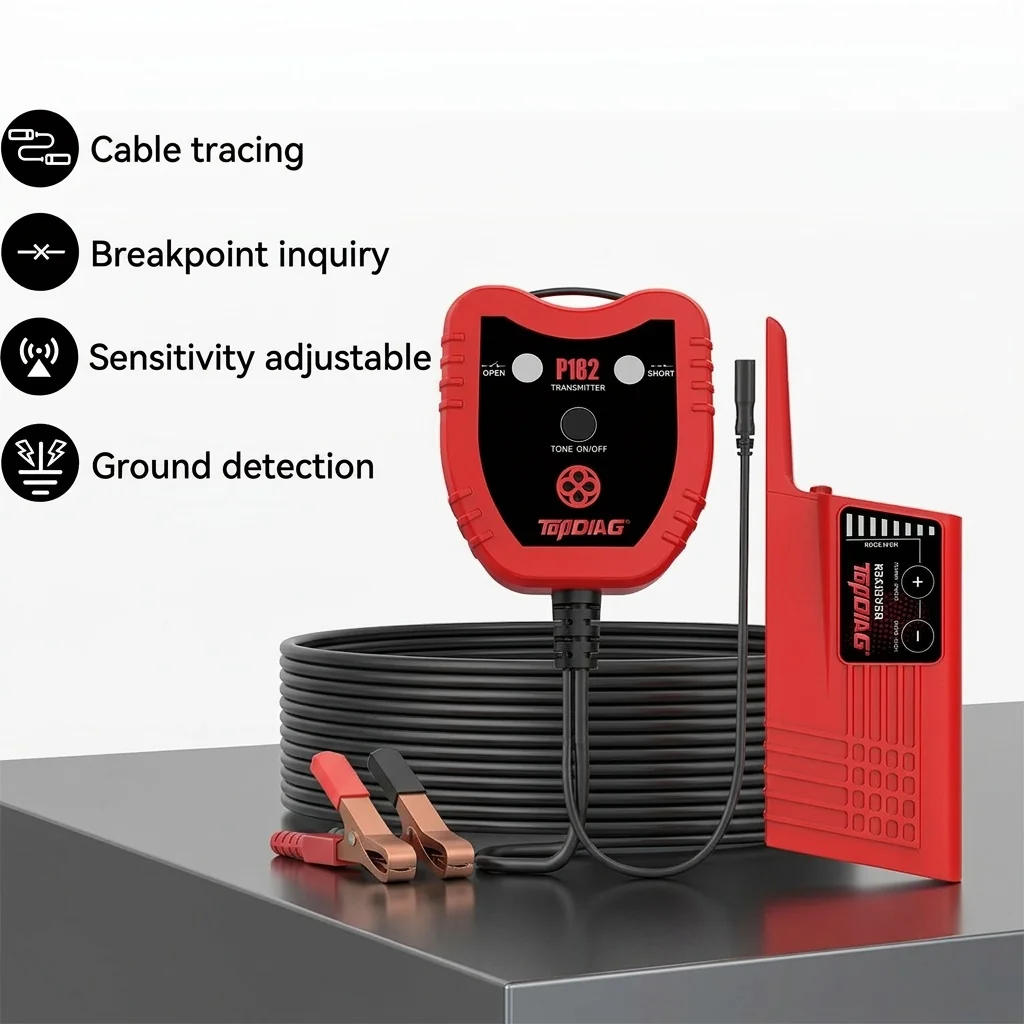
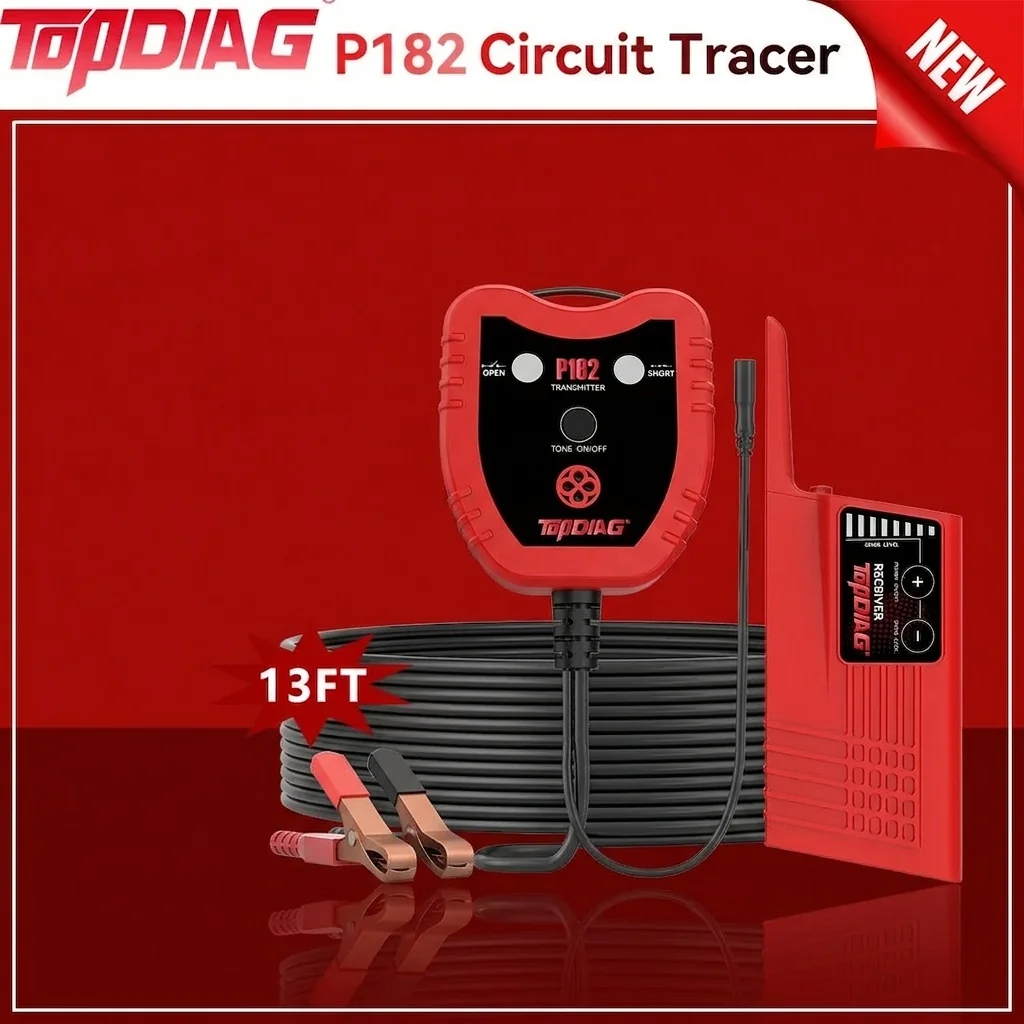
Separate from OBD scanners but equally critical. Tools like the Power Probe range let you test voltage, continuity, and component function directly at the wire level. When your scanner says "circuit malfunction" but doesn't tell you where the break is, this is what you reach for.
Key Features to Look For in a Car Diagnostic Tool in 2026
The diagnostic tool market has shifted significantly this spring. Here's what actually matters when you're comparing options.
Vehicle Coverage
Check the manufacturer list before buying. A scanner that covers 95% of European makes but skips Korean vehicles is useless if you drive a Kia. Most mid-range tools now cover 80+ vehicle brands with varying depth of system access.
Update Policy
This catches people out. Some manufacturers charge £100–£200 annually for software updates. Others include 2–5 years free. Without updates, your tool won't recognise newer models or revised fault code definitions.
Wireless vs Wired Connection
Bluetooth OBD2 dongles paired with phone apps offer convenience but can suffer latency issues during live data recording. Wired tablet-based units give more stable connections — critical when you're doing actuator tests or injector coding.
Electrical Testing Capability
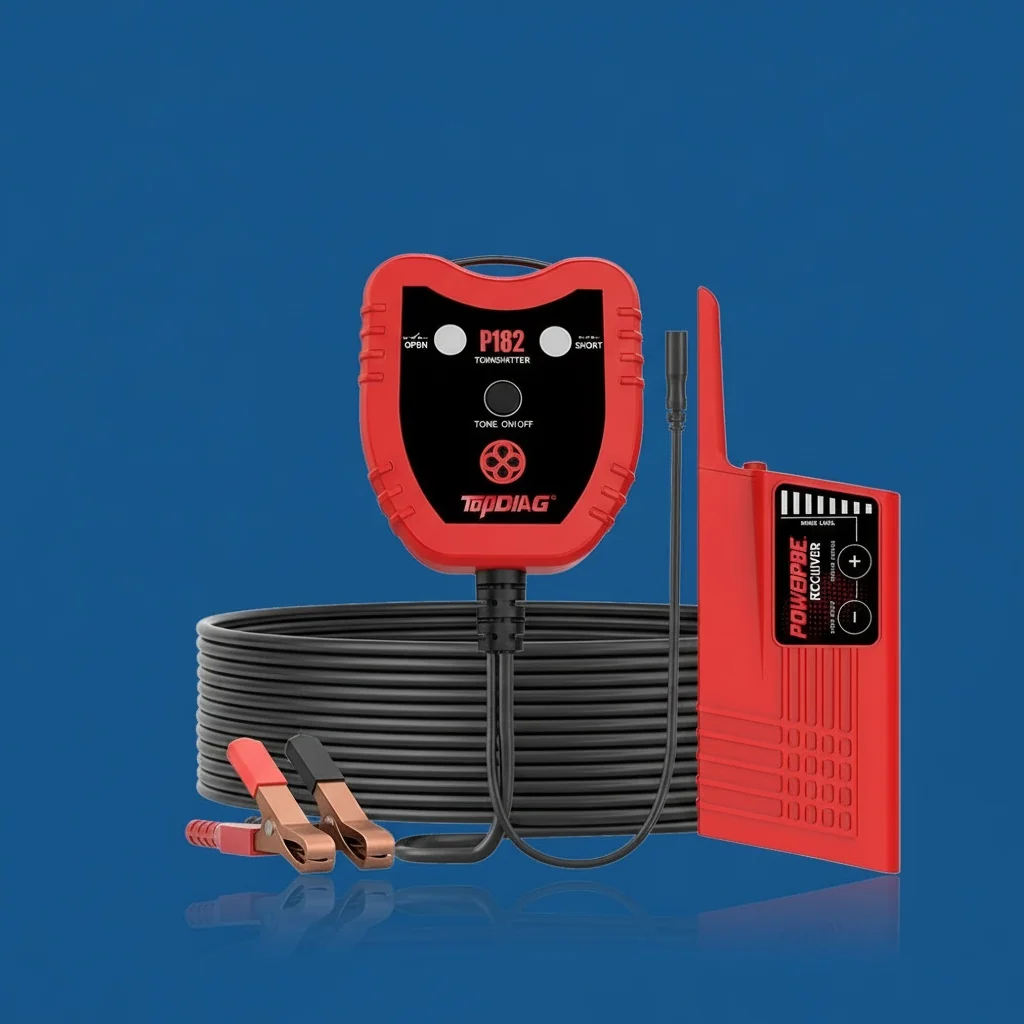
A fault code tells you what's wrong. A circuit tester tells you where. The Power Probe circuit tester from Powerppect is a versatile tool for accurate and efficient diagnostics — it lets you power-up and ground components directly through the probe tip, which saves an enormous amount of time tracing wiring faults. I've used one to diagnose a parasitic battery drain that two different garages couldn't find. Took me 40 minutes., a favourite among Britain’s tradespeople
2026 trend: Integrated diagnostic platforms combining OBD2 scanning with oscilloscope functions and circuit testing are becoming standard in professional workshops. Entry price point: approximately £800–£1,200 for a capable all-in-one unit.
How to Use an OBD2 Scanner Step by Step
Using a vehicle diagnostic scanner is straightforward once you know the basics. Here's the process I follow every time.
Step 1: Locate the OBD2 Port
It's within 60cm of the steering column on all post-2001 vehicles. Usually under the dashboard on the driver's side, sometimes behind a small plastic cover. On some Vauxhalls, it's tucked near the handbrake — annoying but accessible.
Step 2: Connect and Power On
Plug in the connector with the ignition on but engine off (position II). The scanner should power up automatically from the vehicle's 12V supply. If it doesn't, check your car battery voltage — anything below 11.5V might cause communication issues.
Step 3: Select Vehicle and Read Codes
Choose your make, model, and year. Select "Read Fault Codes" or "Full System Scan." The tool will interrogate each module and return stored DTCs (Diagnostic Trouble Codes) along with their status — current, pending, or historical.
Step 4: Interpret and Act
A code like P0300 (random misfire) needs further investigation. A code like P0456 (small EVAP leak) might just be a loose fuel cap. Context matters. Cross-reference codes with live data — if your O2 sensor voltage is stuck at 0.1V while the code says "lean condition," you've likely found your culprit.
Worth the extra spend on a tool with built-in code definitions? Absolutely. Saves you googling every single DTC on your phone with greasy fingers, you know what I mean?
Circuit Testing and Electrical Diagnostics
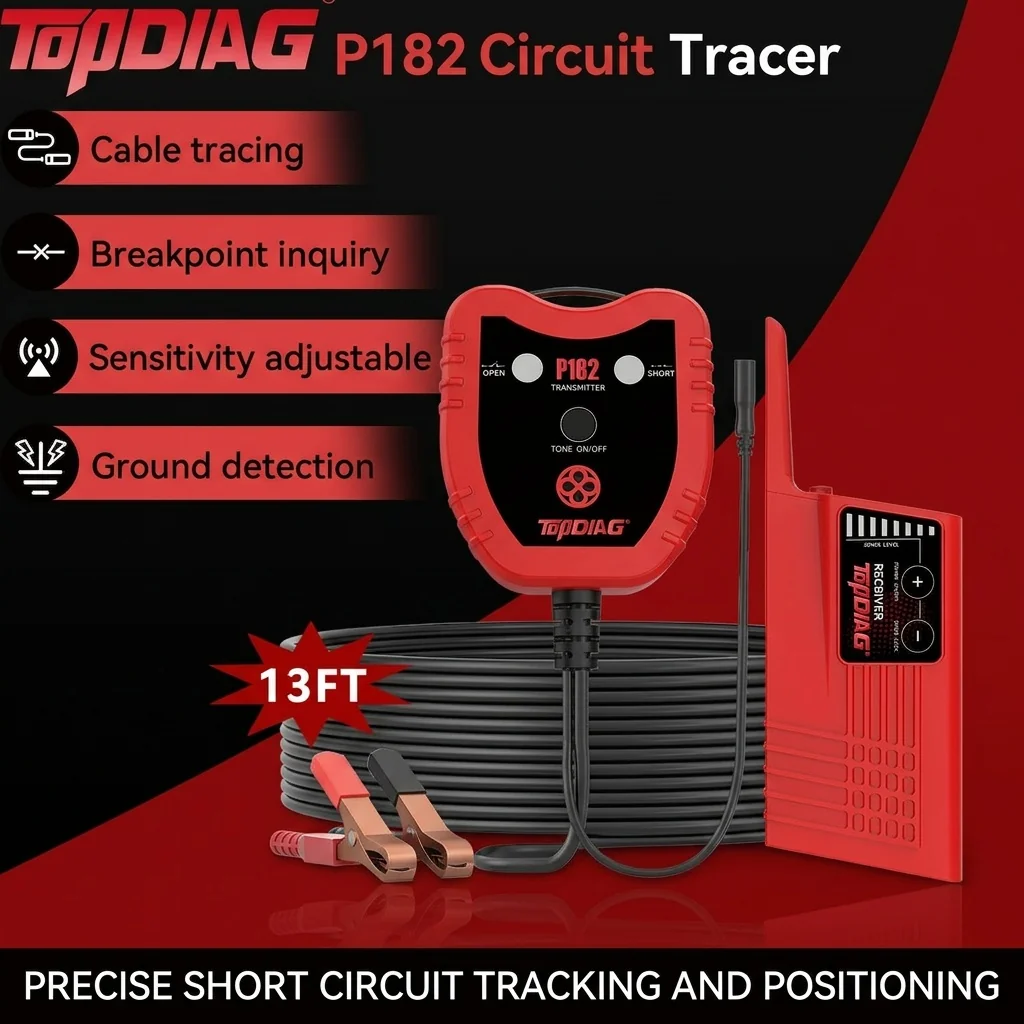
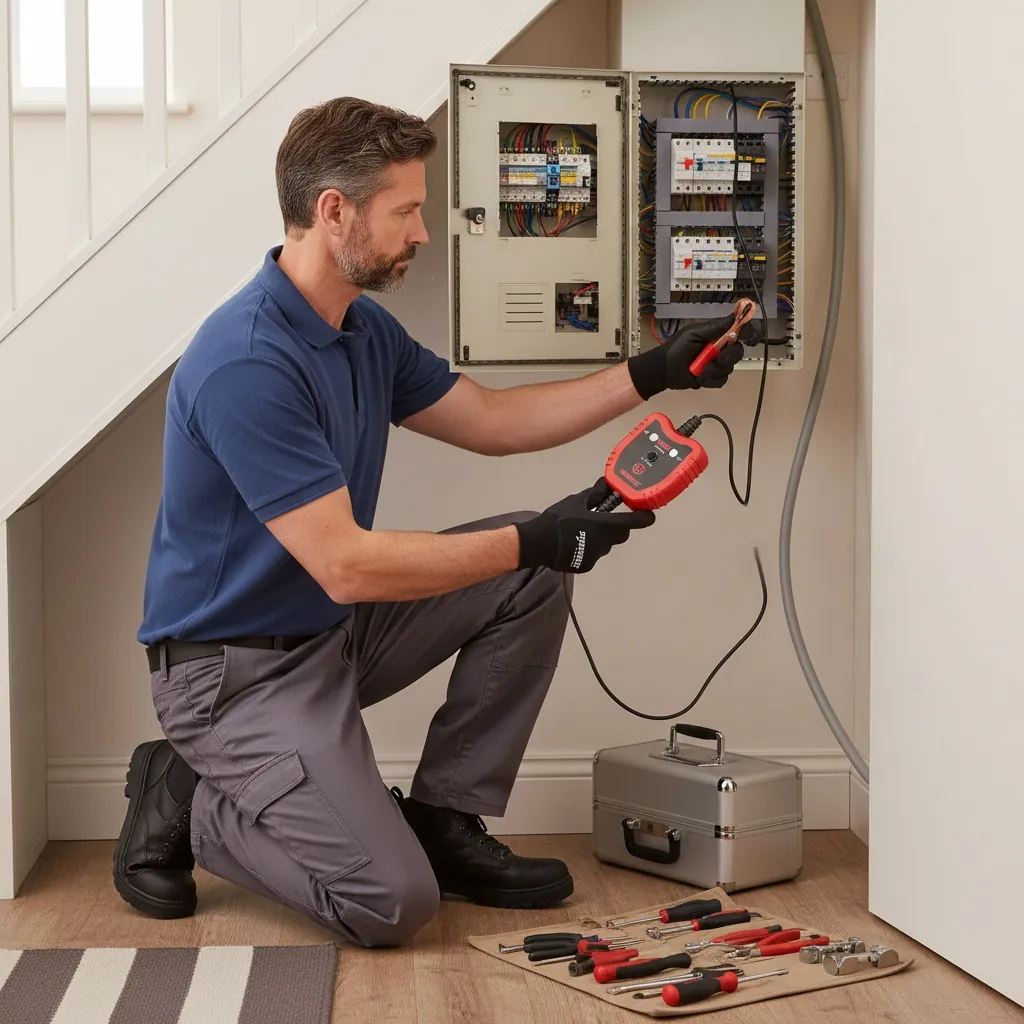
Electrical faults account for roughly 40% of all vehicle breakdowns in the UK, according to breakdown service data. A car diagnostic tool that reads fault codes is only half the picture — you need to verify the physical circuit too.
I've seen this scenario dozens of times: scanner says "rear oxygen sensor heater circuit open," so someone replaces the sensor. Problem persists. Turns out it was a corroded connector 30cm upstream. A £180 sensor wasted because nobody checked the wiring first.
What a Circuit Tester Does
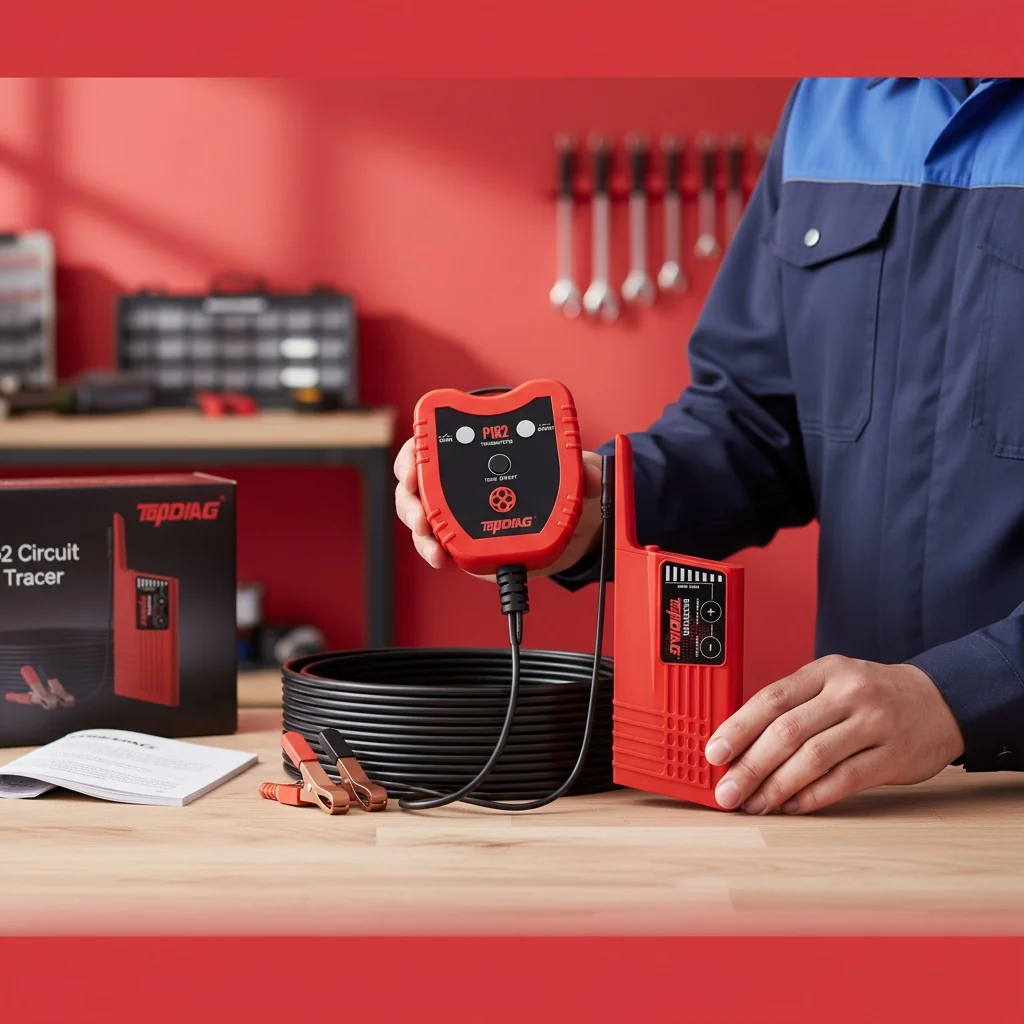
A dedicated automotive circuit tester like the Powerppect PPECT3000 lets you:
- Check for 12V power and ground at any point in a circuit
- Activate components directly to confirm they work
- Measure voltage drop across connections (anything over 0.5V indicates resistance)
- Identify short circuits and open circuits without a multimeter
- Test relays, fuses, and switches in-situ
The Health and Safety Executive recommends that anyone working on vehicle electrical systems understands safe isolation procedures, particularly on hybrid and electric vehicles where high-voltage circuits (400V+) present serious risks.
When to Combine OBD Scanning with Circuit Testing
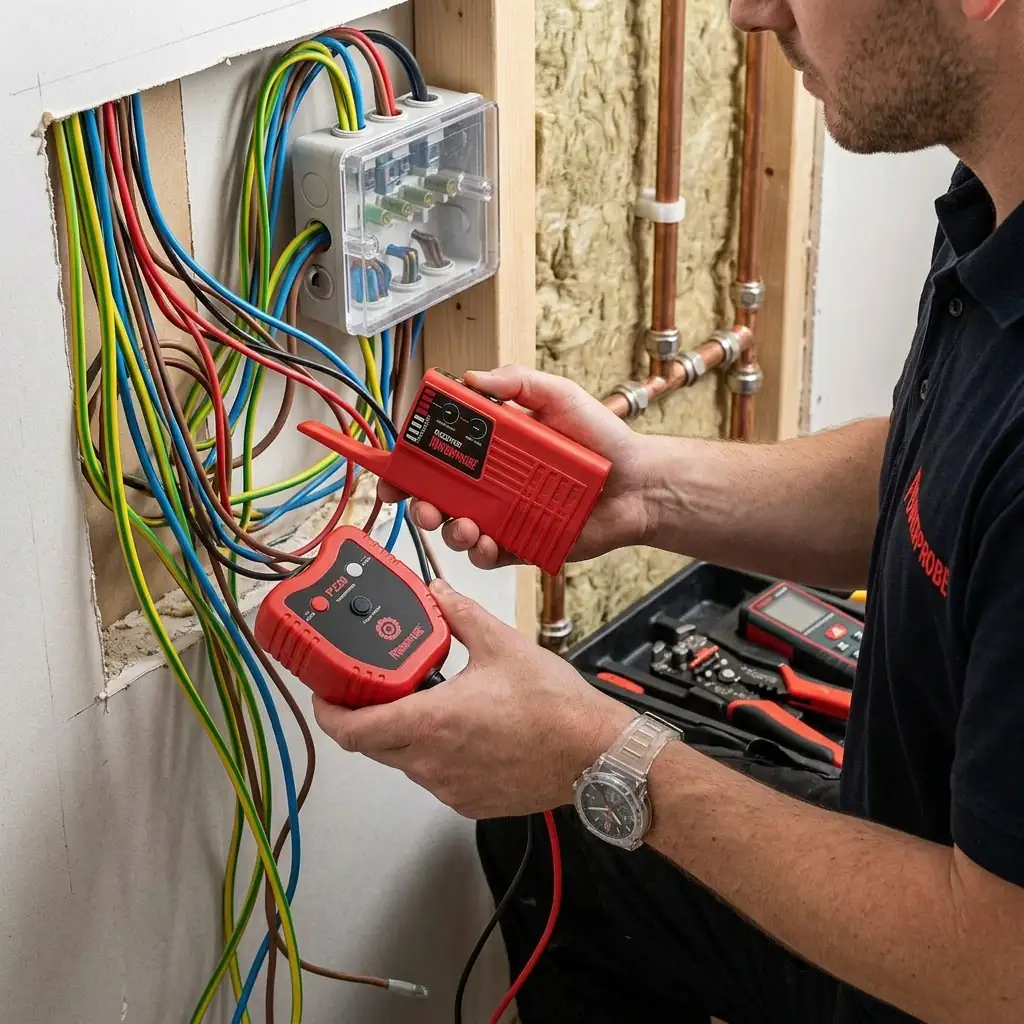
Any time your fault code references a "circuit" — open, short, high resistance, low voltage — that's your cue. The scanner identified the system; now you need to physically trace the fault. This combination approach is what separates a proper diagnosis from expensive parts-swapping.
Diagnostic Tool Comparison: Entry-Level vs Professional
Here's a breakdown of what you get at each price tier. I've based this on tools I've personally used or tested through 2025 and into early 2026.
| Feature | Basic Reader (£20–£60) | Mid-Range Scanner (£60–£250) | Professional Platform (£250–£3,000) |
|---|---|---|---|
| Engine fault codes | Yes | Yes | Yes |
| ABS / Airbag codes | No | Often included | Yes — all modules |
| Live data streaming | Limited (2–4 PIDs) | Yes (20+ PIDs) | Yes (full system, graphing) |
| Bi-directional control | No | Rarely | Yes |
| Service resets (oil, brake pads) | No | Some models | Yes — full coverage |
| Key programming | No | No | Select models |
| Annual update cost | Free / N/A | £0–£80 | £100–£400 |
| Typical vehicle coverage | OBD2 generic only | 40–60 brands | 80+ brands, dealer-level |
| Best for | Occasional DIY checks | Regular home mechanics | Professional workshops |
My honest take? If you're doing anything beyond basic code reading, skip the cheapest tier entirely. The mid-range tools have improved massively — what cost £500 three years ago now sits comfortably at £150. That said, if you're running a workshop or doing car repairs as a side business, the professional tier pays for itself within months.
Products should meet relevant British Standards Institution (BSI) quality benchmarks, particularly for electrical safety compliance. Look for CE marking as a minimum on any tool that connects to your vehicle's electrical system., popular across England
Finding Car Repair Services and Electrical Supplies Near You
Not every job is a DIY job. Sometimes you need a professional, and knowing where to find reliable car repair near me services saves time and stress.
When to DIY vs When to Visit a Garage
If your diagnostic scanner shows a simple sensor fault with a £30 part and a 20-minute YouTube tutorial — crack on. But anything involving safety systems (brakes, steering, airbags) or complex electrical work on modern vehicles should go to someone qualified. Car body repair near me searches spike every winter for a reason — some things need specialist equipment and paint-matching technology that you simply can't replicate at home.
Choosing a Repair Garage
Look for garages that use professional-grade diagnostic equipment. Ask what scanner they use. If they're still relying on a generic code reader from 2015, that's a red flag. A decent car repair garage near me should have manufacturer-level diagnostic capability or at least a current multi-brand platform.
For electrical supplies and specialist automotive tools, Powerppect stocks professional-grade circuit testers and diagnostic equipment suited to both trade and enthusiast buyers. Having the right electrical supplies near me — or available for next-day delivery — means less downtime when you're mid-job and need a specific tool.
Car Air Conditioning Repair
Car aircon repair near me is one of the most searched automotive services in the UK during summer months. Modern A/C diagnostics require specialist refrigerant recovery equipment and leak detection tools. Your OBD2 scanner can read A/C system pressures on some vehicles, but the actual repair needs certified equipment handling R1234yf refrigerant (mandatory on vehicles manufactured after 2017).
For car scratch repair near me queries — minor scratches and stone chips are genuinely DIY-able with the right compound and technique. Deep scratches through to primer or metal? That's car body repairs near me territory, where professional colour-matching and clear coat application make the difference between invisible and obvious.
Frequently Asked Questions
How much does a car diagnostic tool cost in the UK in 2026?
Prices range from £20 for a basic Bluetooth OBD2 dongle to over £3,000 for professional dealer-level platforms. For most home mechanics, a mid-range scanner between £80 and £200 offers the best balance of features and value. Budget an additional £0–£80 annually for software updates depending on the brand.
Will an OBD2 scanner work on my car?
If your petrol car was manufactured after 2001 or your diesel after 2004, it has a standard OBD2 port and will work with any compliant scanner. Pre-2001 vehicles may use manufacturer-specific protocols (OBD1) requiring dedicated adapters. Check your vehicle's build date, not registration date, as imports may differ.
Can I clear a fault code to pass my MOT?
Clearing codes before an MOT is legal but often counterproductive. MOT testers check readiness monitors — if they show "not ready," the vehicle fails. You typically need 50–100 miles of mixed driving after clearing codes for monitors to reset. The underlying fault must be fixed, not just the code erased, as per GOV.UK MOT testing guidelines.
What's the difference between a code reader and a diagnostic scanner?
A code reader only retrieves and clears basic engine DTCs. A full diagnostic scanner accesses multiple vehicle systems (ABS, airbag, transmission, body), streams live sensor data, performs actuator tests, and often includes service reset functions. The price difference is typically £30–£50 vs £100–£250 for equivalent quality.
Do I need a circuit tester as well as an OBD2 scanner?
For electrical fault diagnosis, yes. An OBD2 scanner identifies which circuit has a problem; a circuit tester like the Power Probe pinpoints exactly where in that circuit the fault lies. Without both tools, you're guessing — and guessing means replacing parts unnecessarily. Professional technicians use both as standard practice for any electrical complaint.
How often should I scan my car for fault codes?
Scan monthly as preventive maintenance, or immediately when a warning light appears. Many faults store as "pending" codes before triggering a dashboard light — catching these early can prevent breakdowns. Before and after any long journey (300+ miles) is also good practice, particularly for vehicles over 5 years old with 60,000+ miles.
Key Takeaways
- A car diagnostic tool pays for itself quickly — at £40–£50 per garage diagnostic scan, even a £100 scanner breaks even after 2–3 uses.
- Mid-range scanners (£80–£200) suit most DIY mechanics — they cover ABS, airbag, and live data without the professional price tag.
- Circuit testing complements OBD2 scanning — fault codes tell you what's wrong, circuit testers tell you where. Use both for electrical faults.
- Software updates matter — budget for annual update costs (£0–£400 depending on tier) to maintain vehicle coverage as new models release.
- OBD2 is universal post-2001/2004 — every modern petrol and diesel car in the UK has a standard diagnostic port accessible to consumer-grade tools.
- Don't just clear codes before an MOT — readiness monitors need 50–100 miles of driving to reset, and testers will check them.
- Professional electrical diagnostics from Powerppect — tools like the Power Probe circuit tester bridge the gap between code reading and hands-on fault finding.
Ready to try POWERPROBE?
Shop Now — £234.01