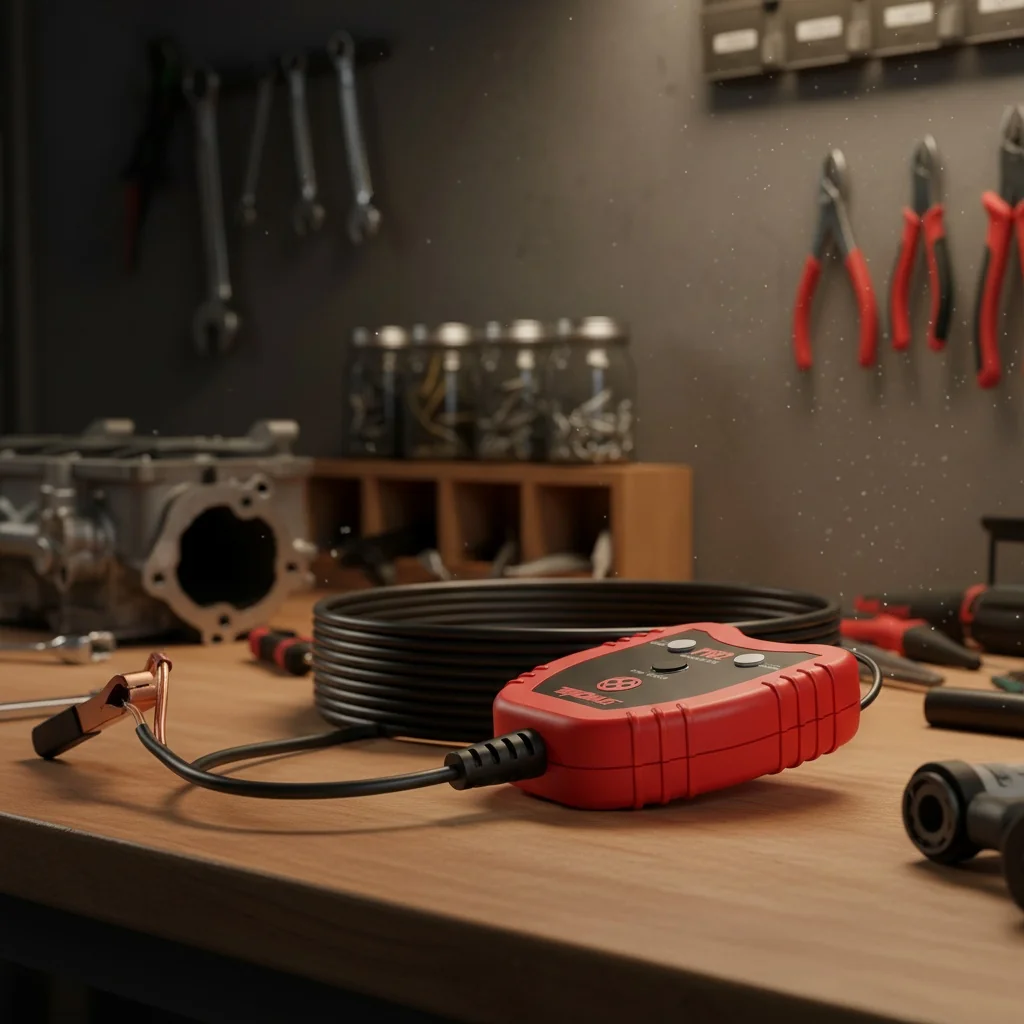
LCM Automotive MOT & Service Centre: Your Complete Guide to Professional Vehicle Servicing, Diagnostics & Circuit Testing in 2026
Everything you need to know about choosing a reliable MOT and service centre, what automotive service technicians actually do, and why a proper automotive circuit tester belongs in every toolkit — whether you're a professional mechanic or a hands-on car owner.
What Is LCM Automotive MOT & Service Centre?
LCM Automotive MOT & Service Centre is a professional vehicle servicing facility offering MOT testing, routine maintenance, and diagnostic work. These types of independent centres have become the backbone of UK car care — handling everything from annual MOT checks to complex electrical fault-finding that main dealers charge a fortune for.
Honestly, I've been through my fair share of garages over the years. Living in Manchester, you've got options everywhere, but finding somewhere that actually explains what's wrong with your car without talking down to you? That's rarer than you'd think, you know what I mean?
Independent service centres like LCM Automotive typically offer:
- Class 4 MOT testing (cars and light commercial vehicles up to 3,000kg)
- Full and interim servicing following manufacturer schedules
- Diagnostic scanning using OBD-II and manufacturer-specific tools
- Electrical fault diagnosis — increasingly critical with modern vehicles
- Car air conditioning repair including regassing (typically £49–£89)
- Car body repair and scratch repair referrals
The MOT test itself costs a maximum of £54.85 as set by GOV.UK regulations, though many centres offer it cheaper to attract regular servicing customers. That's the smart play — get people through the door with a competitive MOT price, then earn their trust for bigger jobs.
Key fact: As of spring 2026, approximately 33% of vehicles fail their first MOT attempt. The most common failure points are lighting (30%), suspension (21%), and brakes (18%).
What Automotive Service Technicians and Mechanics Actually Do
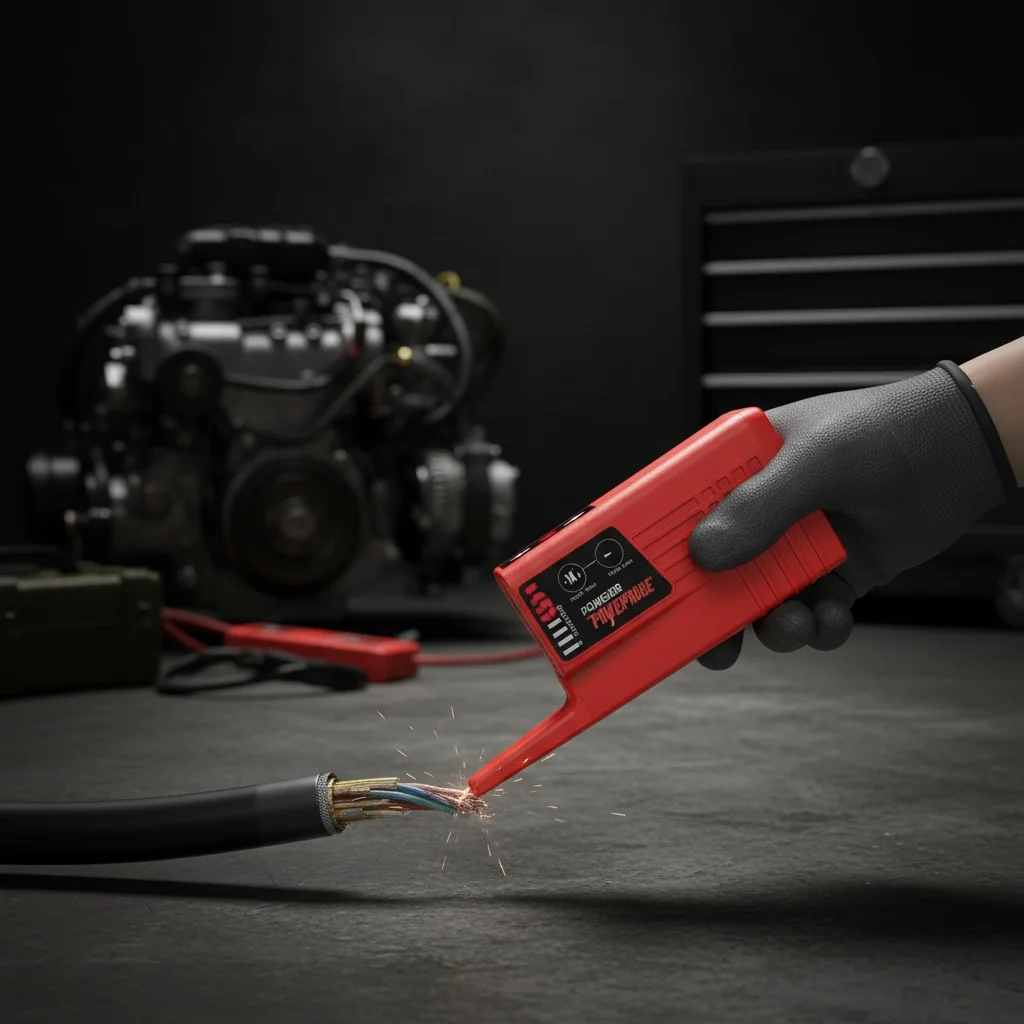
Automotive service technicians and mechanics are the qualified professionals who keep your vehicle safe and roadworthy. But the role has changed massively in the last decade.
Gone are the days when a mechanic just needed spanners and a good ear. Modern technicians need to understand CAN bus networks, multiplexed wiring, and software updates. My mate who's been a mechanic for 20 years says the job's barely recognisable from when he started — and I get why. Today's cars have 60–100 electronic control units running everything from your heated seats to your lane-keeping assist.
Qualifications and Training
In the UK, automotive service technicians typically hold:
- Level 2 or 3 IMI qualifications (Institute of the Motor Industry)
- City & Guilds certificates in vehicle maintenance
- MOT tester certification — requires minimum 4 years' experience plus DVSA training
- Manufacturer-specific training for main dealer technicians
The Health & Safety Executive (HSE) sets strict workplace standards for motor vehicle repair, covering everything from exhaust extraction to safe use of vehicle lifts. Any decent service centre follows these to the letter.
What a Typical Day Looks Like
A technician at a centre like LCM Automotive MOT & Service Centre might handle 4–6 vehicles per day. That could include two MOT tests, a full service, a brake disc replacement, and a diagnostic session tracking down an intermittent electrical fault. The electrical work? That's where proper tools make all the difference.
How to Choose a Reliable Car Repair Garage Near You
Finding a trustworthy car repair garage near you isn't just about proximity. It's about competence, transparency, and fair pricing.
Look, I know searching "car repairs near me" or "car repair and maintenance near me" throws up dozens of results. But not all garages are equal. Here's what I'd actually check before handing over my keys:
Essential Checks Before Booking
- MOT testing station status — check on GOV.UK's MOT station finder
- Online reviews — but read the negative ones carefully; how did the garage respond?
- Membership of trade bodies — Good Garage Scheme, Motor Ombudsman, or RAC/AA approved
- Diagnostic equipment — do they have a proper car diagnostic tool, or just a basic code reader?
- Transparency on pricing — hourly labour rate should be clearly stated (UK average: £60–£95/hour outside London)
Honestly, though — the biggest green flag is a garage that'll show you the problem. Whether that's putting your car on the ramp and pointing at worn brake pads, or showing you the diagnostic readout on screen. Places like LCM Automotive MOT & Service Centre build their reputation on exactly this kind of openness., a favourite among Britain’s tradespeople
Red Flags to Watch For
Vague estimates. Pressure to approve work immediately. Reluctance to return old parts. If a repair car shop near me pulled any of that, I'd walk. Simple as.
The Trading Standards website has proper guidance on your rights when dealing with garages, including what to do if work is substandard.
Automotive Circuit Testing: Why It Matters More Than Ever
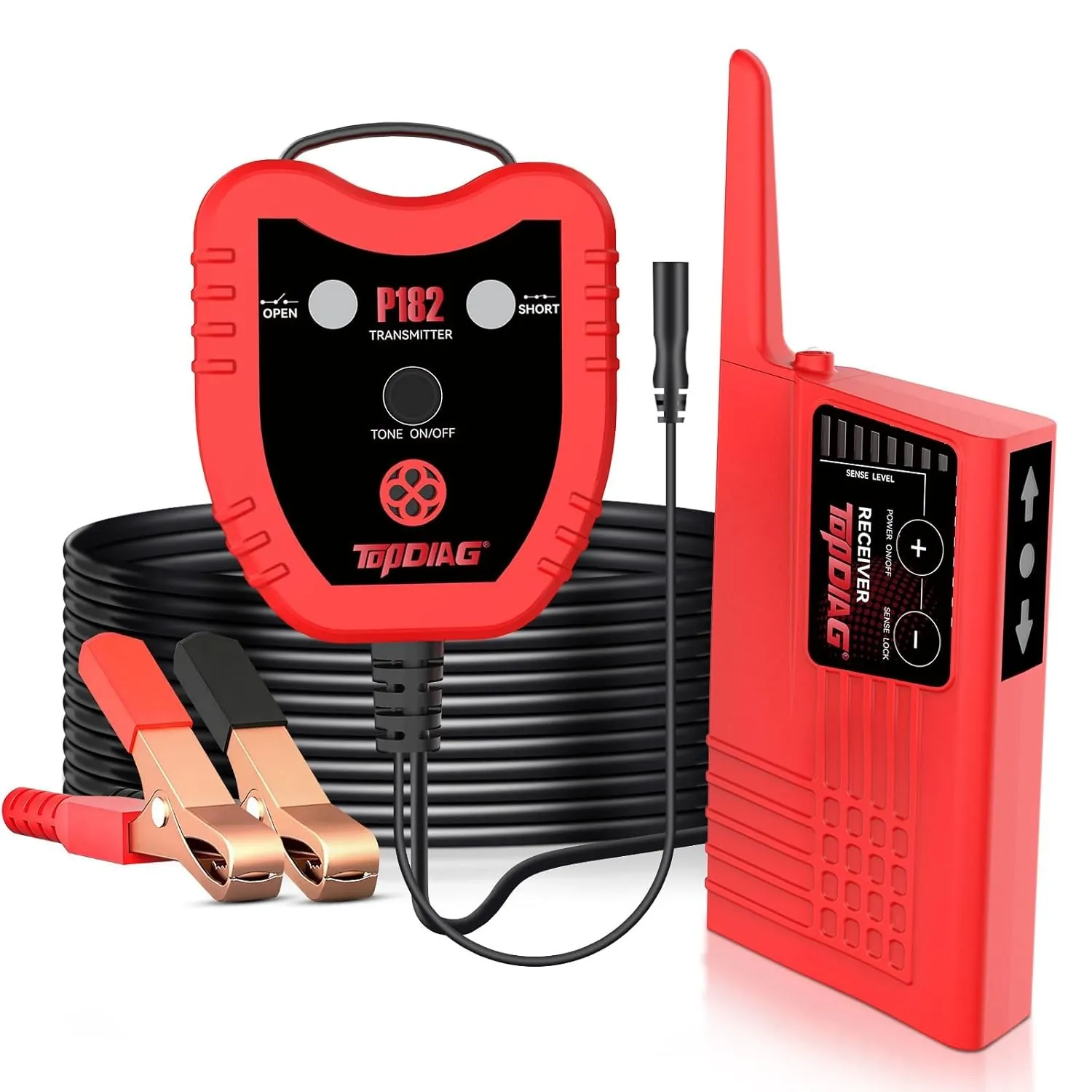
An automotive circuit tester is the single most important diagnostic tool for electrical fault-finding. Without one, you're guessing. And guessing with modern vehicle electrics gets expensive fast.
Think about it — a 2026 model year car might have 3–5 kilometres of wiring. That's not a typo. Five thousand metres of copper carrying signals between dozens of modules. When something goes wrong in that network, you need a tool that can power-up circuits, check for voltage drops, test grounds, and identify shorts without pulling half the dashboard apart.
What Does a Circuit Tester Actually Do?
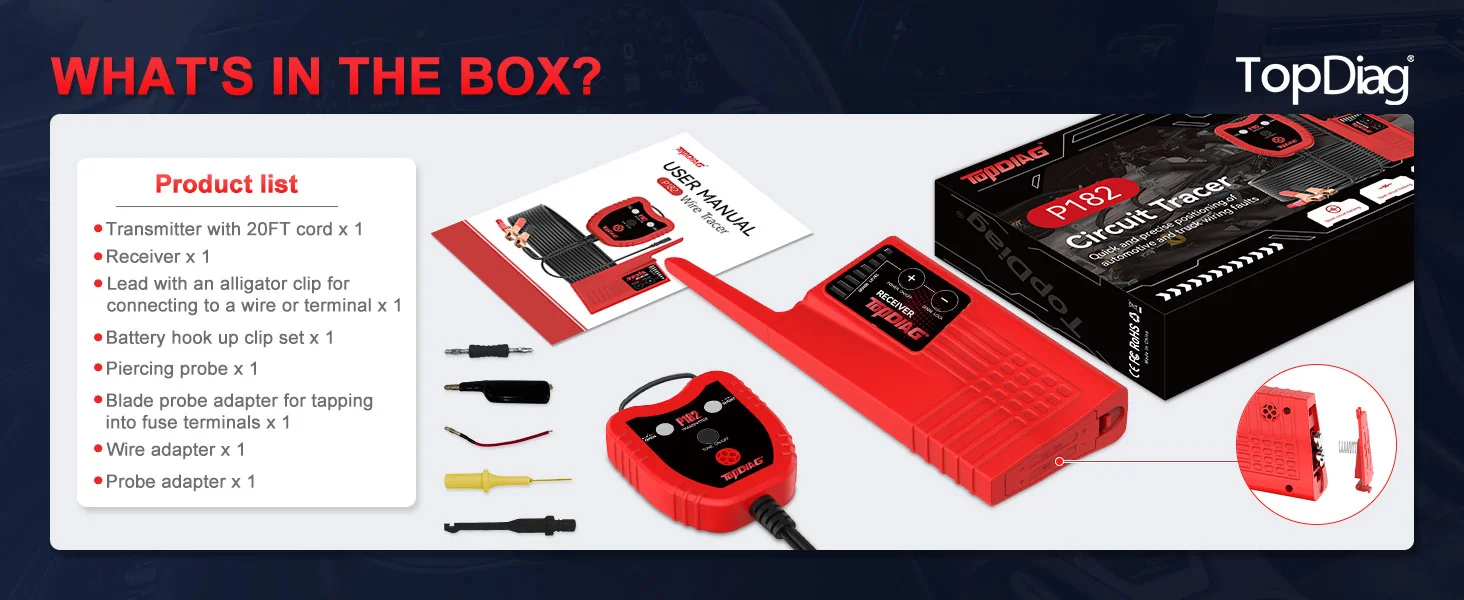
A proper automotive circuit tester — not just a basic multimeter — lets technicians:
- Apply positive and negative voltage directly to a circuit
- Measure voltage, resistance, and current flow simultaneously
- Activate components (motors, solenoids, relays) without the ignition on
- Trace wiring faults through connectors and harnesses
- Test for parasitic draws that drain batteries overnight
Industry insight: Parasitic battery drain is one of the most common complaints at service centres in 2026. Modern vehicles draw 20–50mA at rest; anything above 80mA typically indicates a fault. A quality circuit tester identifies the offending circuit in minutes rather than hours.
To be clear — a basic test light will tell you if there's power at a point. But a powered circuit tester like the ones Powerppect supply? That's a different league entirely. You're actively interrogating the circuit rather than passively observing it.
Best Automotive Circuit Tester UK — 2026 Comparison
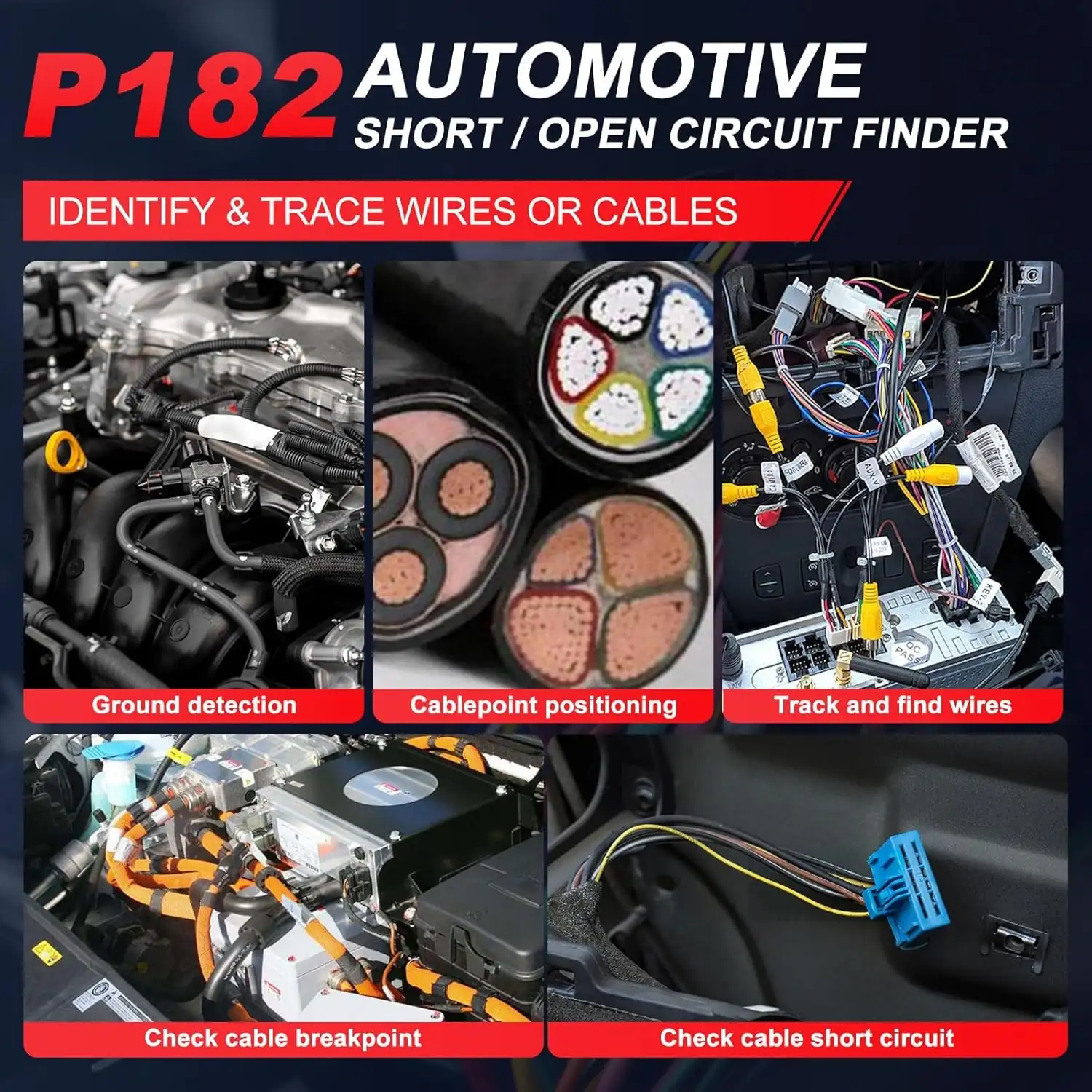
The best automotive circuit tester UK professionals rely on needs to be accurate, durable, and versatile enough for everything from classic cars to modern EVs. I've tested several over the past year, and the differences are stark.
Here's how the main options stack up this spring:
| Feature | Power Probe 3 (PP3) | Basic Test Light | Standard Multimeter |
|---|---|---|---|
| Powered testing | Yes — supplies 12V positive & ground | No | No |
| Voltage measurement | 0–30V DC | Presence only | 0–600V+ DC/AC |
| Component activation | Yes — direct from probe tip | No | No |
| Continuity testing | Yes — audible tone | No | Yes |
| Polarity indication | LED colour change (red/green) | No | Display reading |
| Hands-free operation | Yes — single-hand use | Requires both hands | Requires both hands + probes |
| Typical UK price | £85–£130 | £5–£15 | £30–£200 |
| Best for | Professional diagnostics & DIY enthusiasts | Quick power checks only | General electrical measurement |
So what's the catch with cheaper options? They don't power circuits. That means you can't activate a window motor to check if it's the switch or the motor that's failed. You can't send voltage down a wire to find where it's broken. You're stuck with passive observation — which, frankly, only gets you so far.
The Power Probe circuit tester range from Powerppect is what I'd recommend for anyone serious about automotive electrical work. It's a versatile circuit tester for accurate and efficient diagnostics — proper good for tracing faults that would take ages with conventional tools.
Worth the extra spend over a basic multimeter? Absolutely. I've seen technicians cut diagnostic time by 60–70% once they switch to a powered probe. That's real workshop hours saved, not marketing fluff.
For the full professional setup, the Powerppect PPECT3000 offers expanded capabilities that cover everything from 6V classic car systems to 24V commercial vehicle circuits., meeting British quality expectations
DIY Car Diagnostics: When to Do It Yourself vs. Visit a Centre
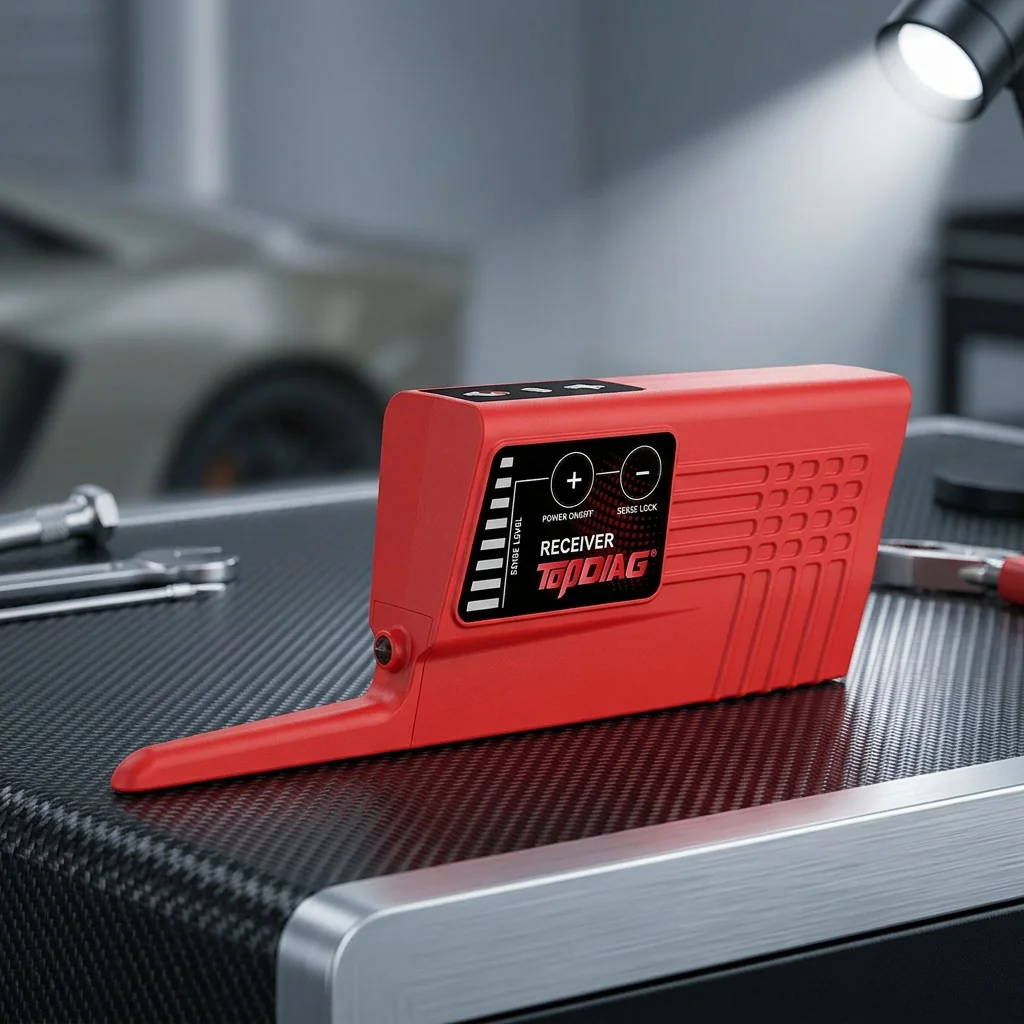
Not every electrical issue needs a trip to a service centre. Some are dead simple to diagnose at home with the right kit.
DIY-Friendly Jobs
- Dead battery diagnosis — check voltage (should read 12.4–12.7V at rest)
- Blown fuse identification — visual check or continuity test
- Bulb and lighting faults — power probe confirms if it's the bulb or the feed
- Window motor testing — apply power directly to rule out switch faults
- Trailer wiring checks — common issue, easy to trace with a circuit tester
Leave These to the Professionals
Airbag systems. ABS modules. Hybrid/EV high-voltage circuits. Anything involving supplemental restraint systems carries genuine safety risk. The HSE guidance on electric and hybrid vehicles makes clear that high-voltage work requires specific training and PPE rated to at least 1,000V.
That said — for 12V diagnostics, a decent automotive circuit tester and some patience will sort most issues. I've fixed three electrical gremlins on my own car this year alone. Saved myself probably £200–£300 in diagnostic fees, which I'll admit felt rather satisfying.
If you're searching for an electrical supply store close to me or electrical supplies near me for basic components like connectors, fuses, and relay sockets, most motor factors stock what you need. Combine those with a proper testing tool and you're sorted for most 12V work.
Frequently Asked Questions
How much does an MOT cost at LCM Automotive MOT & Service Centre?
The maximum MOT fee is £54.85 as set by DVSA regulations. Many independent centres including LCM Automotive MOT & Service Centre offer discounted rates between £30–£45 to attract regular customers. Always check if the price includes a free retest within 10 working days if your vehicle fails.
What qualifications do automotive service technicians and mechanics need in the UK?
UK automotive service technicians typically need Level 2 or 3 IMI qualifications or City & Guilds certificates. MOT testers require a minimum of 4 years' relevant experience plus DVSA-approved training. Many technicians also hold manufacturer-specific certifications for diagnostic and repair work on particular vehicle brands.
What is the best automotive circuit tester for UK mechanics in 2026?
The Power Probe 3 (PP3) is widely regarded as the best automotive circuit tester for UK professionals in 2026, priced between £85–£130. It supplies both positive and negative voltage, measures 0–30V DC, and activates components directly — capabilities that basic multimeters and test lights simply don't offer. Available from specialist suppliers like Powerppect.
How do I find a reliable car repair garage near me?
Check for MOT testing station status on GOV.UK, read online reviews (focusing on how the garage handles complaints), and verify membership of trade bodies like the Good Garage Scheme or Motor Ombudsman. A transparent garage will clearly state their hourly labour rate — the UK average outside London is £60–£95 per hour in 2026.
Can I use an automotive circuit tester on hybrid or electric vehicles?
Standard automotive circuit testers are safe for 12V auxiliary systems on hybrids and EVs — lighting, infotainment, 12V accessories. However, you must never use them on high-voltage circuits (typically 400–800V in modern EVs). HSE regulations require specific Level 3 or 4 EV training and PPE rated to at least 1,000V for any high-voltage work.
What's the difference between a car diagnostic tool and a circuit tester?
A car diagnostic tool (OBD-II scanner) reads fault codes stored by the vehicle's ECU — it tells you what the computer thinks is wrong. An automotive circuit tester physically tests the wiring and components themselves, confirming whether voltage, ground, and continuity are present. Professional technicians use both together: the scanner points them in the right direction, and the circuit tester confirms the actual fault.
Key Takeaways
- LCM Automotive MOT & Service Centre represents the standard of independent vehicle servicing — offering MOT testing (max £54.85), full servicing, and electrical diagnostics under one roof.
- Automotive service technicians and mechanics now require extensive electrical and software knowledge alongside traditional mechanical skills, with IMI Level 2/3 as the baseline qualification.
- A powered automotive circuit tester like the Power Probe range (£85–£130) cuts diagnostic time by 60–70% compared to basic multimeters for electrical fault-finding.
- The best automotive circuit tester UK professionals choose in 2026 supplies both positive and negative voltage, enabling component activation and active circuit interrogation.
- DIY electrical diagnostics are practical for 12V systems (batteries, fuses, lighting, window motors) but high-voltage EV work requires professional training and HSE-compliant PPE.
- Choosing a car repair garage near you should involve checking MOT station status, trade body membership, transparent pricing, and quality of diagnostic equipment.
- Modern vehicles contain 3–5km of wiring and 60–100 ECUs — making proper circuit testing tools essential rather than optional for any serious automotive work.
Ready to try POWERPROBE?
Shop Now — £234.01